 +61 426 650 576
 info@mspropertycare.com
SHARE
If you manage a retail store, office building, or restaurant, you likely have a daily cleaning schedule that involves sweeping and mopping your hard floors. It seems like the responsible thing to do. However, if your commercial floors are starting to look dull, discolored, or constantly sticky, that daily mopping routine is likely the culprit.
While a traditional mop and bucket are fine for quickly wiping up a spilled drink, using them as your primary method of floor care is actually doing long-term damage to your property. Here is why regular mopping is ruining your commercial floors and how you can fix it.
1. You Are Just Pushing Dirty Water Around
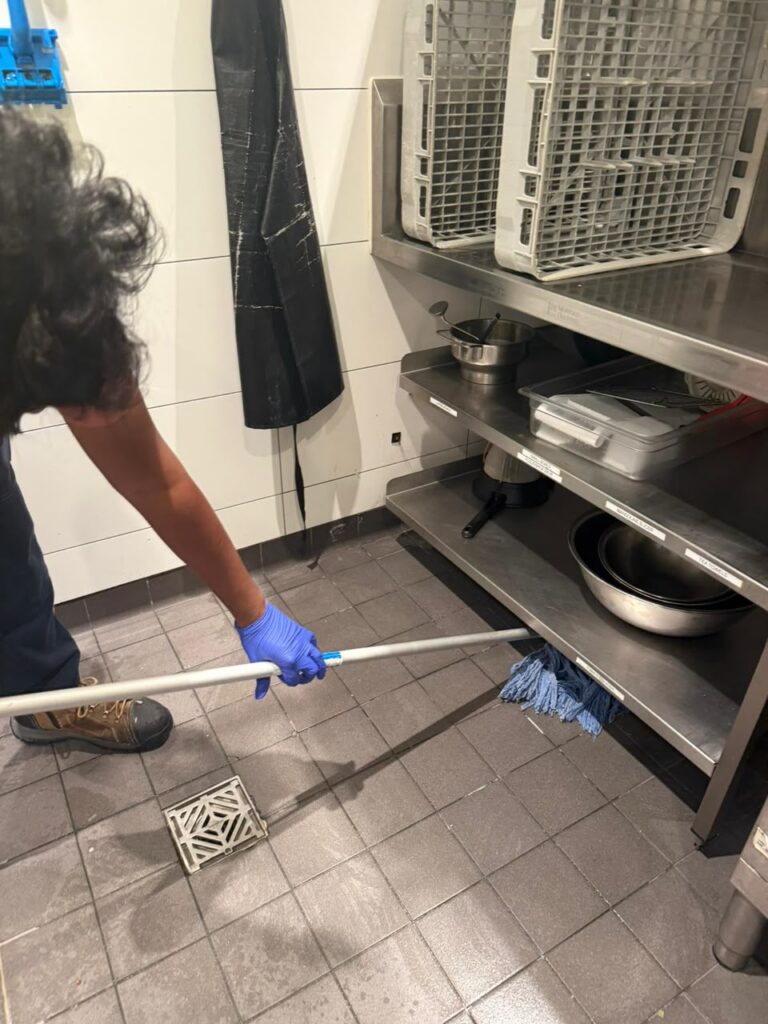
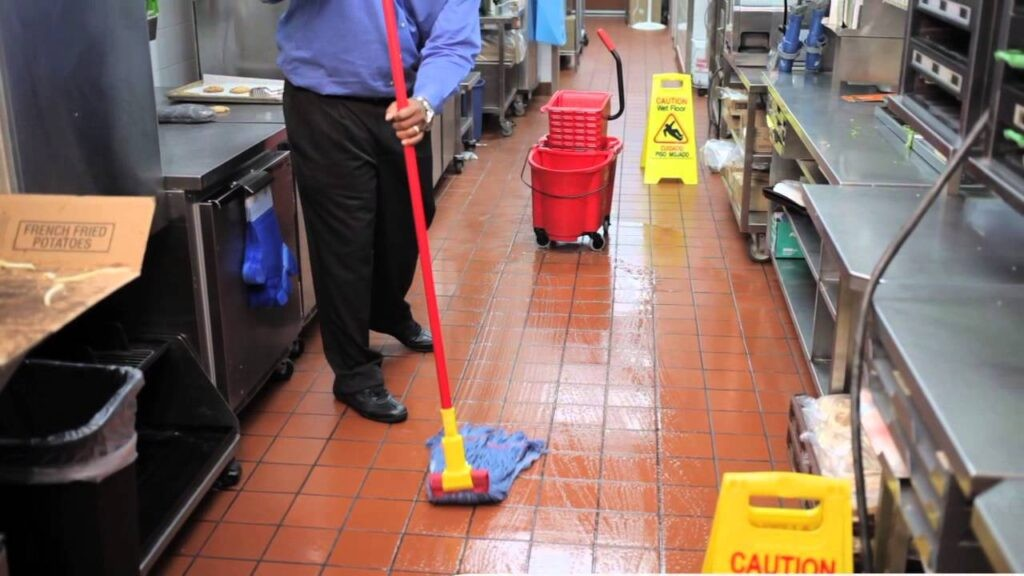
Think about the mechanics of a traditional mop and bucket. You start with clean, soapy water. You mop a section of the floor, absorb the dirt, and wring it out into the bucket. From that moment on, the water in your bucket is contaminated.
Every subsequent time you dip the mop, you are simply spreading highly diluted dirty water over the rest of your commercial space. When the water evaporates, a microscopic layer of soil is left behind, slowly building up day after day.
2. It Destroys Your Grout Lines
If you have tiled floors, you have likely noticed that your grout lines have turned from light gray or white to a dark, dingy brown. Grout is a highly porous material, acting much like a hard sponge.
When you mop, the head of the mop glides over the smooth surface of the tile and pushes the dirty water directly into the recessed grout lines. Over months of daily mopping, you are essentially painting your grout with liquid dirt, leading to permanent discoloration and breeding grounds for bacteria.
3. Chemical Residue Creates a Sticky Trap
Many commercial cleaners use heavy detergents to make a room smell “clean.” Unfortunately, traditional mops do not extract these chemicals from the floor.
When soapy residue is left to dry on vinyl, tile, or polished concrete, it creates a slightly sticky, invisible film. This film acts like a magnet for dust and shoe dirt. The more soap residue on the floor, the faster the floor will look filthy again after it has been cleaned.
4. The Smell of Bacteria
A damp mop left sitting in a dark janitor’s closet is a biological nightmare. If mop heads are not laundered and sanitized daily, they begin to harbor massive amounts of bacteria. When you use that sour-smelling mop the next day, you are literally wiping bacteria across your entire facility, creating a lingering, musty odor that customers will instantly notice.
The Solution: Professional Floor Extraction
To truly maintain commercial floors, you need to lift the dirt and extract the water simultaneously, rather than just pushing it around.
This requires professional intervention using specialized machinery:
- Rotary Scrubbing: Breaking down years of hardened chemical residue and impacted soil.
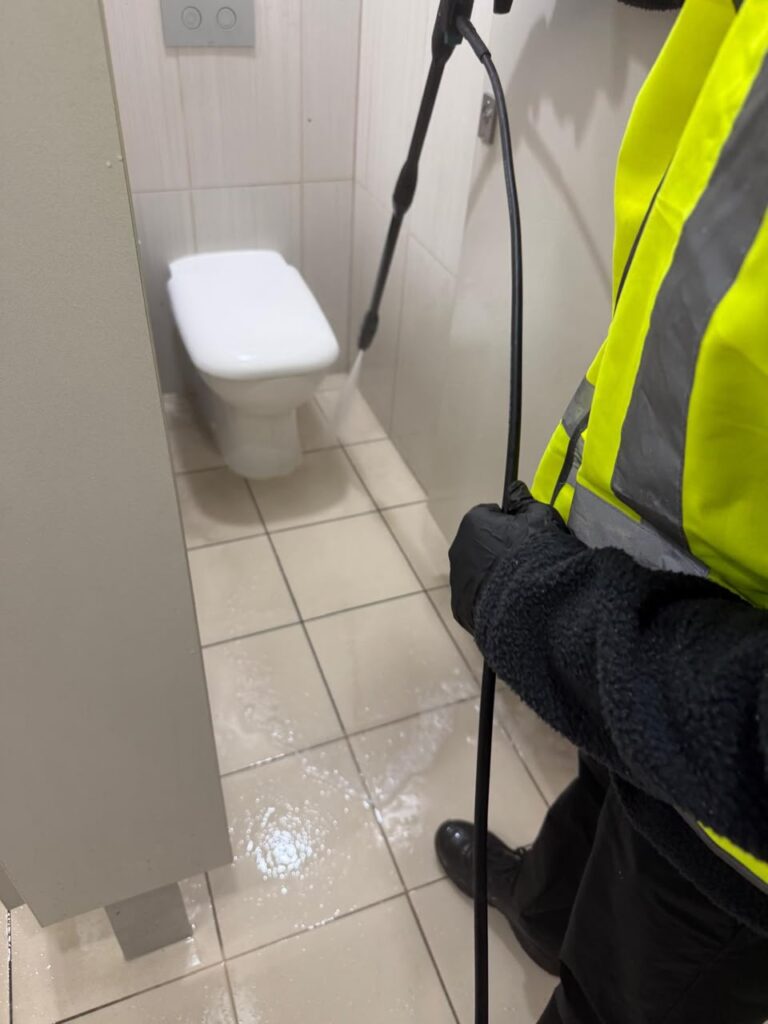
- High-Pressure Hot Water Extraction: Flushing out the porous grout lines and microscopic cracks.
- Industrial Vacuums: Instantly sucking up 100% of the contaminated water so nothing is left behind to dry.
Restore Your Commercial Floors with MS Property Care
Don’t let a dirty floor ruin your business’s reputation. Daily mopping is necessary for maintenance, but a scheduled professional deep clean is mandatory to protect your investment.
At MS Property Care, our team utilizes commercial-grade floor scrubbers and heavy-duty extraction equipment to pull years of dirt and grime out of your floors. Whether you have tile, vinyl, or polished concrete, we leave your floors sanitized, safe, and shining. Contact us today to set up a free consultation and floor care assessment.